
Загрузка…
IP moves data from one machine to another; TCP gets it to the right program on that machine. Why the two are used together as TCP/IP. Cut from the lesson "TCP" in the CS50 Shorts courses. Source: CS50 Shorts, "TCP" by CS50, Harvard University Original: https://cs50.harvard.edu/x/2024/shorts/tcp/ Licence: CC BY-NC-SA 4.0 (https://creativecommons.org/licenses/by-nc-sa/4.0/) Changes: Cut to about a minute, reformatted to vertical with a blurred background and re-encoded; captions, summary and thumbnail generated by Upgram. Not endorsed by CS50 or Harvard University. Shared under the same licence.
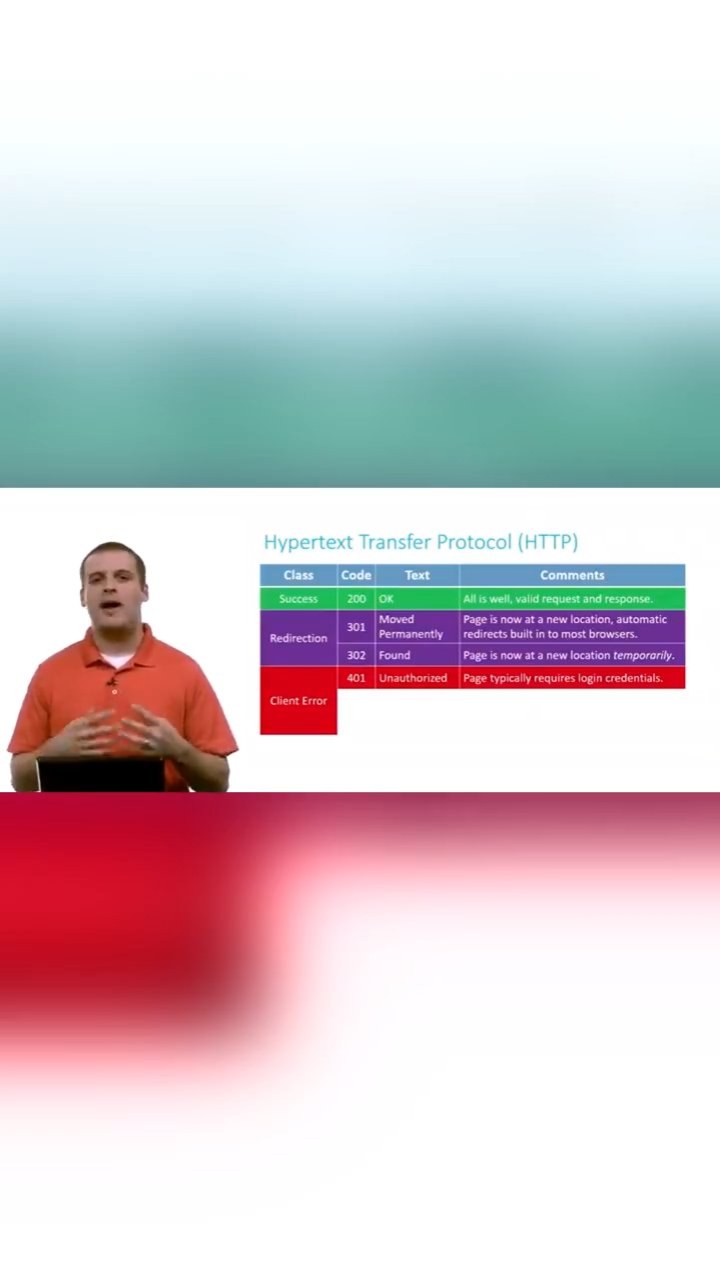
So what's TCP? Well, just moving from a sending machine to a receiving machine isn't the full story. We also know that our program, our computers, for example, are running multiple programs and have multiple services running on those machines. And so if we want to get a packet or information to a specific program on a specific machine, we need more information than just what IP allows us to get information from point A to point B. So TCP can be thought of as directing the packet to the correct program or the correct service on the receiving machine. And so it's important to, as you might expect, know where it's supposed to go and what the packet is for at the same time. And so frequently, when you talk about transmission control protocol, TCP, you really often hear it in the context TCP slash IP, or just TCP IP. These two protocols are so interrelated that they are basically treated as a single unit, but they are two separate protocols that do two separate things. Again, IP is responsible for getting it from one machine to another.
Чтобы продолжить, установите приложение
Ставьте «Нравится», комментируйте, подписывайтесь на авторов и следите за прогрессом в приложении Upgram.
Скачать Upgram






Комментарии